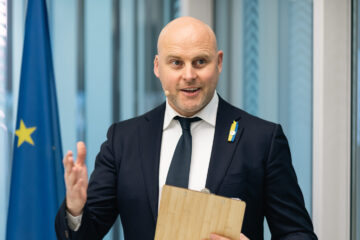
This lesson is part of the second module of EUPress Teacher Training, which covers the macro topic of ‘European Education Area’.
As the EU pushes ahead with its twin transitions — digital and green — education is emerging as a key policy area where Brussels can coordinate but not legislate. Under the Europe-wide strategy for 2021–2030, the goal is clear: ensure all learners have equal access to high-quality education while equipping them with the skills needed for a digital and climate-neutral future.
This lesson explores the Digital Education Plan, which outlines two strategic priorities:
– Foster the development of a high-performing digital education ecosystem.
– Enhancing digital skills and competences for digital transformation.
The agenda also includes support for the green transition.
The Education for Climate Coalition and the European Sustainability Competence Framework outline the necessary knowledge, skills, and attitudes for learners of all ages to participate in the green transition. Moreover, a working group on sustainability in school education consistently provides input. Erasmus+ and European Solidarity Corps support various sustainability initiatives.
Finally, the Horizon Europe program has a specific call for sustainability-related projects.
Digital Education: Urgent Skills Gap Drives Action
While the digital transition is central to EU economic strategy, the state of digital readiness in education remains uneven. A 2018 OECD study found that less than 40% of teachers in the EU felt prepared to use digital technologies, and over a third of 13–14-year-olds lacked basic digital skills.
To address this, the European Commission launched the Digital Education Action Plan (2021–2027), which sets out a vision for inclusive, high-performing digital education systems. Its two main pillars are:
- Building a high-performing digital education ecosystem, via measures such as improved connectivity, ethical AI guidelines, and blended learning approaches.
- Boosting digital skills and competencies, including through the European Digital Skills Certificate and updated frameworks for AI-related education.
The initiative aligns with broader EU strategies such as the European Education Area, NextGenerationEU, and the EU’s Digital Decade, linking educational reform to post-pandemic resilience and labour market needs.
Green Education: Preparing for a Climate-Neutral Europe
As the EU moves toward climate neutrality, education is also seen as a catalyst for behavioural and cultural change. Central initiatives include:
- The Education for Climate Coalition, which mobilises schools, students, teachers, and organisations around climate action.
- A Council Recommendation on learning for the green transition, aimed at embedding sustainability across curricula and teacher training.
- Dedicated Erasmus+ and Horizon Europe calls focused on sustainability, enabling exchanges, research, and pilot projects on climate education.
Brussels guides, but member states lead
Despite this growing coordination role, the lecturer notes a crucial point: education remains a national competence. The EU can only support, recommend, and fund — not legislate. Whether in designing teacher training or reforming curricula, it’s up to individual governments to implement change.
Still, through funding, expertise, and cross-country targets, the EU hopes to turn today’s policy frameworks into tomorrow’s classroom reality — where digital fluency and climate literacy are not just aspirations, but essential skills for every student in Europe.