Freedom is seen as one easy word, but it actually requires centuries of suffering, sacrifice, and hope. In the world, people are continuing to debate what freedom truly means, socially, politically and in personal terms. This article aims to remind us of the power that freedom has to shape our lives and societies in the modern era.
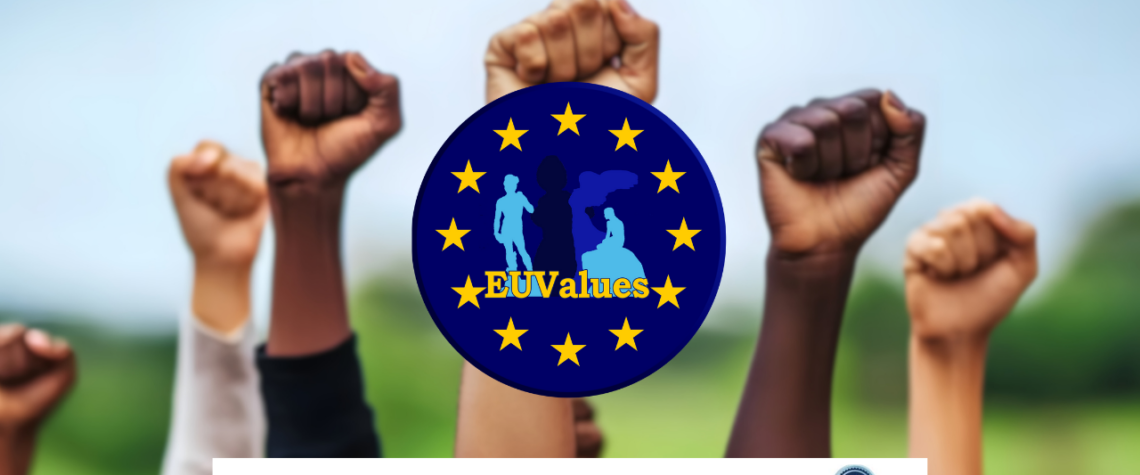
This article is written by Alessio Rossi, a student who participated in the Jean Monnet programme ‘European Values’, which aims to promote the teaching and education of the European Union and its values in secondary schools across the EU.
Freedom is understood as the ability to act, speak, or think without restriction. But, in today’s interconnected world, this definition becomes more complex. While most democratic societies protect civil liberties, freedom is not exclusive. It is balanced by laws, moral values and the rights of others.
The idea of freedom evolved as a result of revolutions, philosophical thought and international charters. From the Magna Carta to the Universal Declaration of Human Rights, societies have gradually realized that liberty needs to be intertwined with equality and justice.
“Freedom is the primary end and the principal means of development” noted the Indian economist and pholosopher Amartya Sen. This statement shows us that freedom is not only a right but an instrument for growth.
Today, most modern democracies guarantee rights such as the freedom to speech, freedom of press and the right to vote. But these freedoms cannot succeed only in the context of a society that has access to education, reliable information, and economic security. In such conditions formal freedoms are symbolic and practical. Through recent decades, progressive movements toward gender equality, LGBTQ+ rights and racial justice have expanded the public understanding of what freedom is.
These movements remind us that freedom is inclusive, that it should protect both the majority and those who are often not heard. But the digital age has presented new challenges.
Surveillance, data collection, and misinformation threaten privacy and autonomy on the internet. While technology is connected with people worldwide, it creates new forms of dependency and control. The European Commission has emphasized the importance of ethical digital governance in order to ensure technological progress develops rather than limits personal freedom in modern times.
It is in this end freedom that is shared responsibility. It requires awareness, respect and continuous conversation between individuals and institutions. Being free means defending truth, practicing tolerance, and making it possible for each person to live without fear or oppression.
One of humanity’s most meaningful achievements and problems, freedom is a great success. Not a fixed condition but a living principle that must respond to new realities. The task is to ensure freedom is universal and meaningful, an right that can be granted to everybody, to decide on their own future.
The original article is available here.