In today’s rapidly evolving world, digitalization and technological advancements are no longer just buzzwords—they are powerful forces reshaping the way we live, work, and connect. From AI-powered assistants to brain implants and smart cities, technology is transforming nearly every aspect of our daily experience. But how far is too far? Carolina, a student at CEU Sanchinarro, explores these pressing questions in her compelling essay on the future of digital society.
Artificial Intelligence: A Helper or a Threat?
Artificial intelligence (AI), once a futuristic concept, is now a part of everyday life. Initially developed in the 20th century to act as a virtual assistant, AI is now capable of much more: diagnosing rare diseases like aquagenic urticaria, offering lifestyle advice, and even generating AI-generated art and images. But Carolina prompts us to ask—are we using this powerful tool wisely, or are we reducing it to a mere novelty?
What Digitalization Really Means
Many associate digitalization with tech-savvy professionals in sleek offices. In reality, it involves integrating digital tools into every layer of an organization—from automating customer service to optimizing production lines. Businesses that fail to embrace this digital transformation risk stagnating in an increasingly competitive global economy.
The Next Frontier: Microchips and Brain Implants
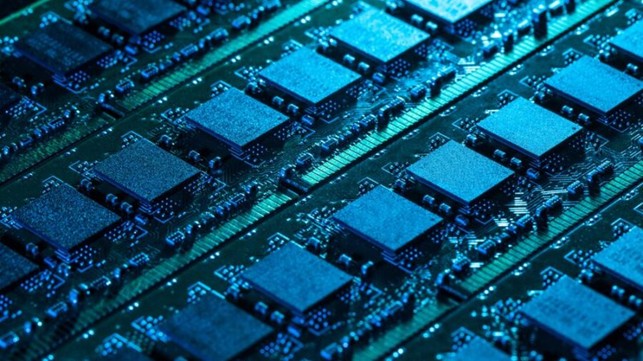
Carolina’s essay highlights a futuristic but rapidly approaching development: microchip technology. Once science fiction, these tiny devices are now being used in real-world scenarios.
- Brain Implants:Companies like Neuralink are pioneering brain-computer interfaces (BCIs), which may soon treat neurological disorders or allow humans to interact with computers using only their minds. China is preparing to launch similar technologies in 2025.
- Subcutaneous Microchips:In Sweden, thousands of people have already adopted NFC-enabled chips implanted under their skin. These chips store personal data, unlock doors, and activate smart devices with a simple wave of the hand.
- Future Applications:These technologies could revolutionize sectors like virtual reality, medical rehabilitation, autonomous driving, and assistive devices for people with disabilities.
Risks, Ethics, and the Road Ahead
While the potential benefits of AI and digitalization are enormous, Carolina wisely emphasizes the importance of addressing their risks. Data privacy concerns, ethical dilemmas, and job displacement are real and pressing issues. The key challenge for society will be to balance innovation with responsibility.
A Future Full of Potential
The essay concludes with an optimistic yet thoughtful reflection: digitalization and modern technologies will enhance convenience, connectivity, and efficiency—but only if approached ethically and inclusively. Carolina’s vision is clear: to fully realize the promise of our digital future, we must navigate these changes thoughtfully, ensuring they serve the common good.