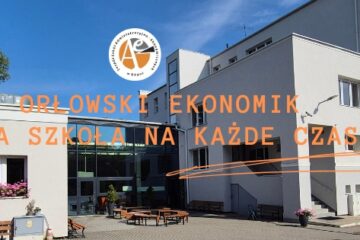
On 15 November, Zespół Szkół Administracyjno-Ekonomicznych (ZSAE) school hosted engaging migration workshops conducted by a Europe Direct Polish consultant. The event, organized as part of the EUami project, brought together students from second and third classes to explore the multifaceted topic of migration from historical and contemporary perspectives.
The workshop began with an overview of the causes of human migration, tracing its evolution from prehistoric times to the modern era: our times have been identified as the “age of mobility”.
Migration was analyzed based on its context, scope (internal vs. international), voluntariness (voluntary vs. forced), and duration (short-term vs. long-term). Students also learned the critical distinction between refugees and migrants and considered the challenges Europe faces in addressing migration effectively.
https://www.focuseurope.it/international-collaborative-classes-at-canossa-campus-a-journey-on-migration/
Following the theoretical part, a quiz was conducted, allowing students to apply their knowledge and assess real-world migration scenarios, the quiz tackled the economic impacts of migration, highlighting both positive and negative aspects.
The youth collectively agreed with the presenter’s stance that the economic contributions of migration tend to be more beneficial than detrimental.
A highlight of the session was the presence of a special guest: a migrant from Tunisia volunteering with Europe Direct Polska. She shared her personal journey of migrating to Poland, detailing the legal pathways, challenges she encountered, and how she successfully navigated them. Her story inspired lively interaction with the students, who asked insightful questions in a relaxed and open conversation.
The workshops were an enriching experience, offering students valuable insights into the complexities of migration and fostering greater understanding of the global mobility landscape.
Discussing about migration policies and debunking fake news is crucial since the topic is usually narrated on the media within the rethoric of the emergency: migration is a phenomenon that has characterized the history of humanbeings.
Moreover, a unified approach ensures that migration is managed fairly, safeguarding the dignity and rights of individuals seeking refuge or better opportunities. Such a policy is crucial in addressing the humanitarian crises caused by conflicts, climate change, and economic disparities. By prioritizing human rights, European Union can lead by example in creating a migration framework that balances security with compassion, fostering inclusivity and solidarity among its member states.