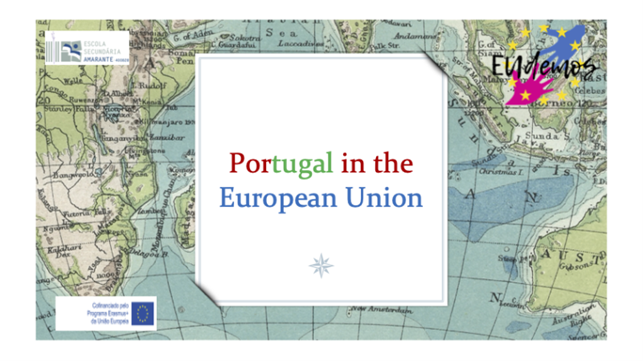
During the recent Carbonia Summer School, students presented a comprehensive overview of Portugal’s journey and role within the European Union. This presentation provided insights into Portugal’s historical integration process, the current state of Portuguese citizens’ engagement with EU matters, and the challenges related to electoral participation.
A Historical Perspective
The presentation began with a historical review, highlighting Portugal’s absence from early European projects due to the authoritarian Estado Novo regime led by António Oliveira Salazar. The country’s path toward democracy, following the 1974 Carnation Revolution, marked a pivotal moment, allowing Portugal to align with European democratic values and ultimately leading to its membership in the EU.
Current Engagement and Voter Turnout
In examining current trends, the students pointed out that Portuguese voter turnout for European elections has remained low compared to other EU countries. Citing data from the 2019 European elections, the presentation revealed that abstention has increased, with only a small percentage of overseas residents participating. The reasons behind this trend include a perceived disconnect between EU institutions and Portuguese daily life, along with the lack of a referendum on European integration in Portugal.
Educational Initiatives to Foster Participation
To address this trend of high abstention, students proposed several school-based initiatives aimed at promoting awareness and engagement. These initiatives include:
- Distributing pamphlets with EU-related information to students and their families.
- Publishing opinion pieces by regional MEPs and local figures in the school newspaper to encourage active participation.
- Displaying posters around the school, highlighting the significance of voting in European elections and the influence of EU legislation on daily life.
The presentation concluded with a call for increased educational efforts, emphasizing the importance of understanding European values and the role of citizenship in shaping the future of the EU. By fostering greater awareness among youth, the school hopes to contribute to a more engaged and informed Portuguese electorate.