DISCLAIMER: Le opinioni espresse in questo articolo riflettono unicamente la posizione personale dell’autore/autrice.
In this article, Natalia Otulak, an English teacher from the CLVI Liceum Ogólnokształcące Integracyjne in Poland, discusses the significance of participation in a European project.
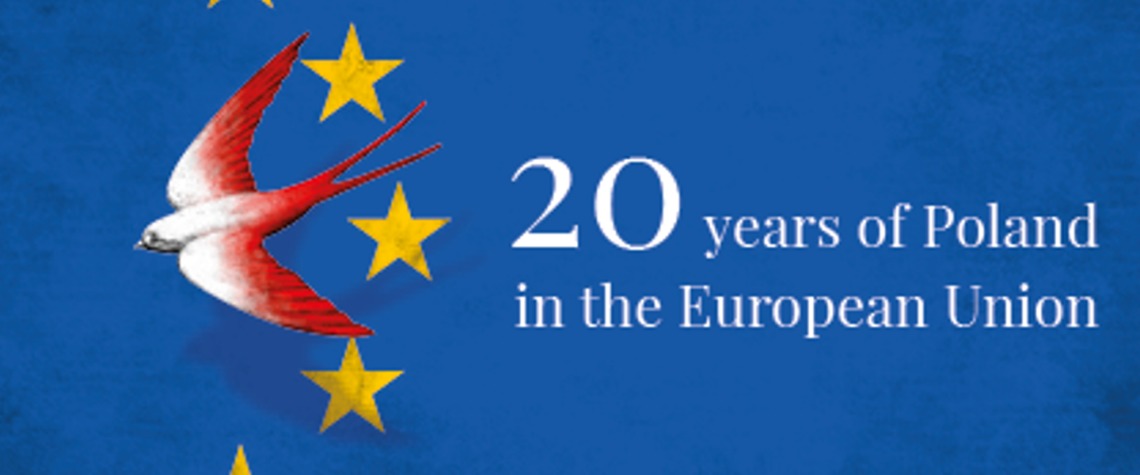
Twenty years of membership in the European Union was a big challenge for Poland. Forty-four years of functioning in the Eastern Bloc led to a huge socio-economic crisis not only in Poland, but also in other countries subordinated to USSR. Society, tired of poor living conditions, decided to take matters into their own hands. They were fed up with the coupons in the shops, the constant shortages of supplies, the low salaries, for which it was difficult to buy anything anyway. For my generation, for my parents’ generation, change was an obvious necessity. It couldn’t get any worse.
When I tell my children how my cousins and I stood in line for sugar (and you could only buy a kilo), when I explain to them what a chocolate-like product was and the mechanism of exchanging waste paper for glasses or toilet paper, I see a smile and disbelief on their faces. The question that arises in my mind is, how do I explain to them the meaning of belonging to the European community? How to explain that at their age we could not travel freely in Europe, that we could only buy better quality goods in Pewex stores (Internal Export Company) for vouchers.
Exactly the same questions arose in my mind while planning the EUPress project activities. After all, my students are younger than my sons. They were born in the European Union. They do not know any other life. That is why it was so important to me that they understand the essence of the creation of the Union.
Historia vitae magistra est
The historical overview that my colleagues and I presented in the first module of EUPress project was intended to lay the foundations for further actions. The history of European integration is something we have to be aware of. Without understanding the genesis and the evolution of this process it is impossible to understand the reasons for functioning European Union now and in the future. It is impossible to think about the future without remembering the past. Without understanding the reasons behind European integration, we cannot identify the directions of its development. In this module students will learnt about:
- The origins of the European integration process
- The start of European integration after the WWII
- From common market to EU single market
- From the fall of the Berlin Wall to the creation of the EU and the Euro
- The adoption of a single currency in EU
- From the Treaty of Amsterdam to the Treaty of Lisbon
Our next step was to show the students how the European Union works. Knowledge of “EU institutions, competences and functioning” is as important as knowledge of institutions, competences and functioning of each country. Students should learn about it to be aware and competent citizens as they will decide about our future soon. In this module students learnt about:
- How EU is governed: legislative and decision- making procedures
- The European Commission
- The European Parliament
- The EU Council
- The European Council
- The EU Court of Justice and Other EU institutions
The last stage was to encourage our students to take action. To face the challenges posed by the future of the community. Only remembering the problems European Union had to face throughout the decades, nations will be able to face the challenges of it. Not only economic or environmental difficulties but also those connected to terrorism, migration and nationalism. We found it really important to make our students aware of their needs and possibilities. Next Gen is not only a plan for Europe but it is also a plan for each young European citizen. It offers a chance to succeed in professional and private life. In this module students learn about:
- The economic challenge
- The environmental challenge
- The challenge of neighbourhood stabilization
- The challenge of terrorism
- The challenge of migration
- The challenge of disintegration and nationalism
In each module of EUPress project, students had to independently analyze documents, collect information, and prepare materials.
We celebrated the anniversary of the fall of the Berlin Wall at school. For three days, the school was divided into two zones. To move from one to the other, you needed a pass. Everyone, students and teachers, experienced the hardship of this situation firsthand.
We summed up the twentieth anniversary of EU membership with a survey of young people and teachers. We invite you to listen to the podcast.
We are currently preparing for a school debate on the Green Deal.
We are about to meet with the staff of the diplomatic service and prepare for the elections to the European Parliament. Elections without us yet, and so much about us.
We hope that at the end of our activities, everyone will be able to answer the question: “Why EU?”