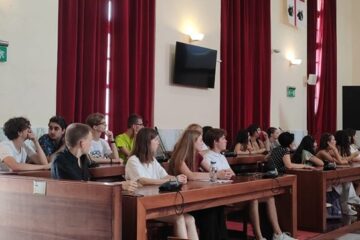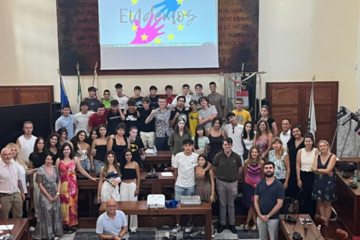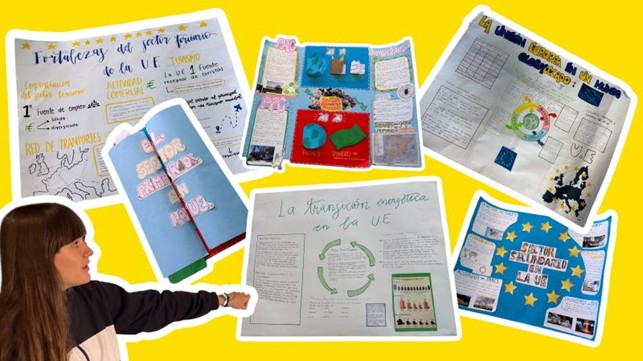
As a partner of the EUdemos Project, CEU Sanchinarro has launched an innovative educational initiative that integrates both formal and non-formal learning methods to enrich the History and Geography curriculum for secondary school students. This dynamic project offered students a comprehensive exploration of the European Union (EU) through a variety of engaging formats, including cardboard displays, infographics, mind maps, interactive maps, and podcasts.
A Holistic Approach to Learning
This project exemplifies the integration of formal and non-formal educational methodologies. Through structured lessons, guided research, and interactive activities, students engaged in a deep dive into various aspects of the EU, fostering both academic understanding and practical skills.
Exploring the European Union in a Globalized World
Students embarked on a formal analysis of the European Union’s role on the global stage, examining its international influence through structured research projects. They complemented this with non-formal methods such as group discussions and role-playing activities, simulating diplomatic interactions and exploring the EU’s impact on global relations.
The Role of the Primary Sector
The formal study of the primary sector, particularly agriculture, involved detailed research and analysis of its economic impact on the EU. Students then used non-formal methods like creating infographics and participating in interactive workshops to present their findings, enhancing their understanding through visual and hands-on learning.
Energy Transition in the European Union
The energy transition segment combined formal lectures on sustainable energy policies with non-formal activities such as building interactive maps and conducting experiments on renewable energy sources. These methods helped students grasp the practical implications of the EU’s shift towards sustainable energy.
Contribution of the Secondary Sector
In exploring the secondary sector, students engaged in formal studies of industrial and manufacturing growth within the EU. This was augmented by non-formal methods such as creating podcasts and conducting interviews with industry experts, which provided real-world insights and allowed for creative expression of their learning.
Strengths of the Tertiary Sector
The examination of the tertiary sector involved both formal analysis of services like tourism and finance and non-formal activities such as developing mind maps and organizing virtual tours. These methods provided a multifaceted view of how the service sector drives economic growth and enhances quality of life in the EU.
A Comprehensive and Engaging Learning Experience
This multifaceted project provided students with a thorough understanding of the European Union’s diverse roles and contributions. By combining formal educational techniques with non-formal, interactive methods, students developed a nuanced appreciation of the EU’s complexities and its importance in a globalized world. The initiative not only enriched their academic knowledge but also honed their skills in research, critical thinking, and presentation.
Preparing Global Citizens
CEU Sanchinarro’s innovative approach demonstrates a commitment to holistic education, preparing students to be informed and engaged citizens. By blending formal and non-formal learning methods, this project has created a dynamic and interactive learning environment that equips students with the knowledge and skills necessary for their future endeavors.
Through this educational initiative, CEU Sanchinarro has set a benchmark for integrating diverse teaching methodologies, fostering an enriching and comprehensive educational experience for all students involved.