In recent years, feminist movements and LGBT+ communities have increasingly become targets of conspiracy theories, disinformation campaigns and politically motivated narratives portraying gender equality as a threat to traditional values, national identity and social stability. From accusations that feminist organisations seek to undermine the family to claims that LGBT+ rights are part of a coordinated effort to transform society, these narratives have gained visibility within public debate, particularly through social media and the rhetoric of far-right populist movements.
Why have gender equality and sexual rights become such prominent targets of conspiratorial thinking? How do anti-gender narratives exploit fears surrounding social change, family structures and national identity? And what strategies can help challenge misinformation while promoting dialogue, solidarity and a more inclusive understanding of democratic rights?
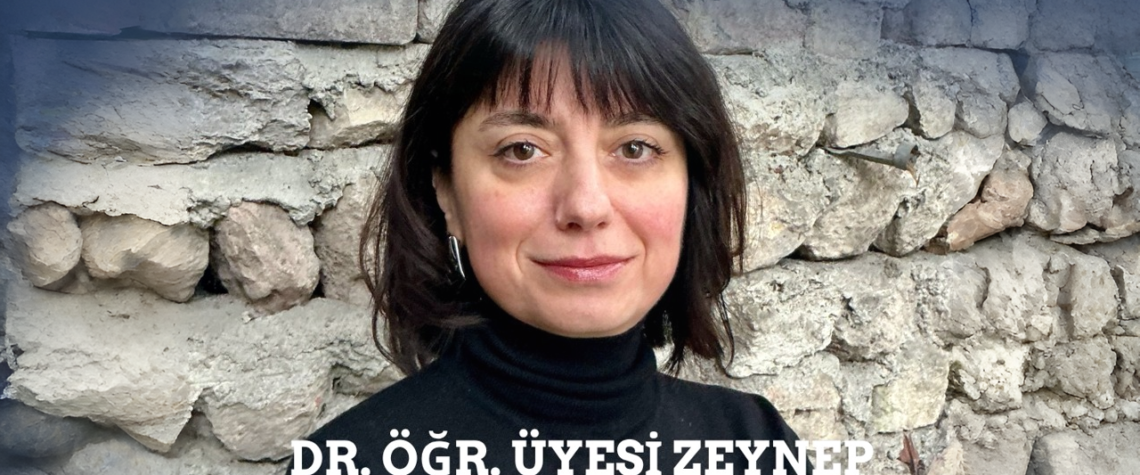
These questions are explored in an interview with Zeynep Kutluata, Assistant Professor at Kadir Has University and scholar specialising in gender studies, conducted by Sara Bertolli, journalist at Focus Europe Italia, within the framework of the European project CONSPIRE – CONSPIracism and RAdicalisation Risks in Europe.
Funded by the Erasmus+ programme and coordinated by the University of Turin, CONSPIRE brings together European universities and CESUE/Focus Europe to investigate conspiracy theories and radicalisation risks while developing innovative educational approaches to strengthen critical thinking, media literacy and democratic participation. Running from 2024 to 2027, the project combines academic research, non-formal education, participatory workshops and community engagement. This interview is part of the Conspiracy Pills, a series of contributions from academics and professionals designed to help students and wider audiences recognise the mechanisms through which misleading narratives emerge, circulate and influence political and social attitudes.
Drawing on her research in gender studies, Kutluata examines the close relationship between conspiratorial thinking and anti-gender movements. She explains how conspiracy narratives often divide society into opposing categories of “us” and “them”, constructing an alleged enemy responsible for threatening established social norms. Feminist and LGBT+ movements become particularly convenient targets because their demands for equality, recognition and social transformation challenge the idea that existing gender hierarchies are natural, fixed and beyond question.
Particular attention is devoted to the ways in which campaigns against women’s rights and reproductive autonomy are framed through narratives of national survival, demographic decline and the defence of the traditional family. Referring to movements such as #MeToo and struggles for reproductive rights, Kutluata highlights how legitimate demands for justice and bodily autonomy can be distorted into supposed threats to society, diverting attention from the actual objectives of these movements.
The conversation also explores how such narratives can be challenged. Rather than relying exclusively on fact-checking, Kutluata emphasises the importance of making the real aims of feminist and LGBT+ movements visible, creating opportunities for communication and building solidarity across different communities. She also cautions against dismissing people who believe conspiracy theories as unintelligent or malicious, arguing that meaningful dialogue requires avoiding the same rigid divisions that conspiratorial narratives seek to reinforce.
Beyond the relationship between gender and disinformation, the interview examines the intersection of patriarchy, nationalism and women’s political agency. Drawing on her knowledge of Kurdish political movements, Kutluata discusses the diversity of nationalist experiences and reflects on the example of Rojava, highlighting the significance of women’s autonomous organisation, secularism and political participation. At the same time, she stresses the importance of examining political movements critically rather than idealising them.
Ultimately, the interview highlights how conspiracy theories targeting feminism and LGBT+ communities are not merely isolated examples of misinformation, but part of broader struggles over power, identity, social norms and democratic participation. Understanding these dynamics requires recognising how fear and exclusionary narratives can be mobilised to delegitimise demands for equality and reinforce existing hierarchies.
In line with the objectives of CONSPIRE, Kutluata’s reflections offer a valuable contribution to understanding the connections between conspiratorial thinking, political polarisation and discrimination. By encouraging critical engagement with anti-gender narratives and emphasising the importance of accurate information, dialogue and solidarity, the conversation reinforces the role of education and informed public debate in building more inclusive and resilient democratic societies.